Every eliminated team: What worked and what didn't in 2026, what needs improving in 2027?
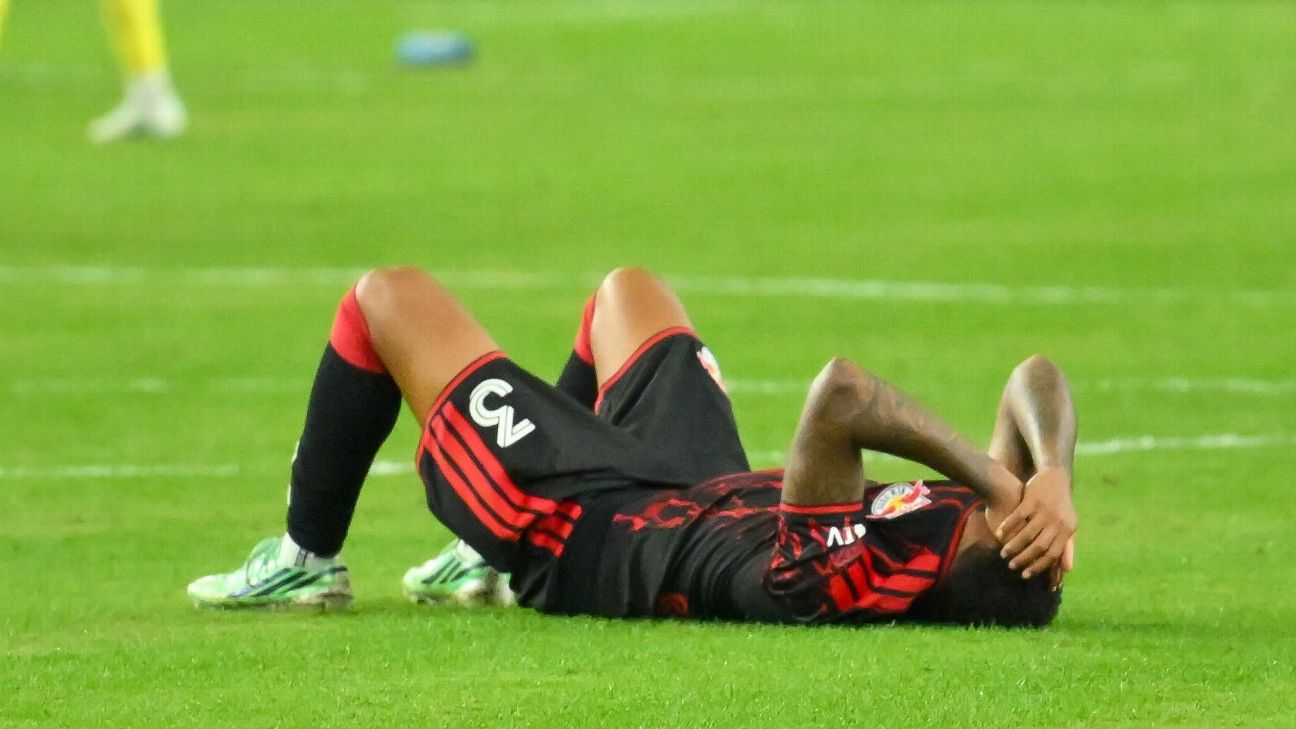
A review of the eliminated sides shows where momentum was built, where it faded, and what each team must address before 2027.
The 2026 campaign is over for the teams that have been knocked out, and the focus now shifts from results to reflection. For every side that fell short, there were stretches that pointed to progress and others that exposed the gaps that proved too costly.
What worked this year varied from team to team, but the common thread was usually the same: a spell of sharp organisation, useful individual performances, or enough control in key moments to stay in contention. What did not work was just as familiar in soccer, with mistakes in decisive passages, difficulty turning chances into goals, or an inability to sustain form over the full run of the competition.
That kind of post-elimination review matters because football seasons are often shaped by fine margins. Teams can look competitive for long stretches and still come up short if they are not efficient when the pressure rises. Once a campaign ends, the question becomes less about what nearly happened and more about what must be improved so the same problems do not return.
For the eliminated teams, 2027 will be defined by correction and rebuilding. Some will need more attacking threat, others greater defensive discipline, and some may need a better balance between the two. The broader challenge is finding a model that can hold up not just in isolated matches, but across the demands of a full season.
What happens next will depend on how quickly each team can turn its lessons into action. Supporters will be watching for signs of progress in recruitment, preparation and tactical clarity, because those areas often decide whether a promising side simply resets or comes back stronger.